The Industry Behind Every Commercial Kitchen in America
Every restaurant, hotel, school, hospital, and food service facility is legally required to have their kitchen exhaust systems professionally cleaned. Here's everything you need to know about the industry you're about to enter.
What Exactly Is Kitchen Exhaust Cleaning?
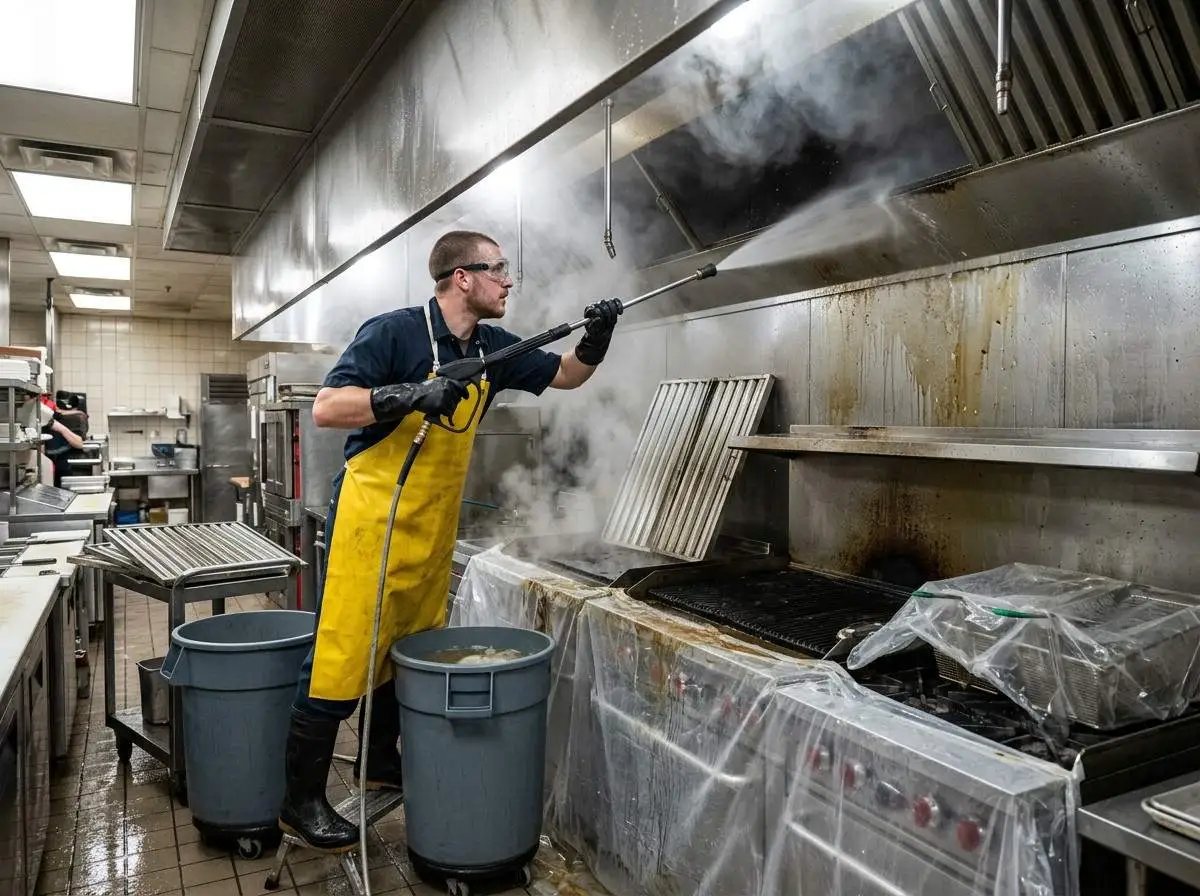
Commercial kitchen exhaust cleaning — also called hood cleaning — is the professional removal of grease and residue from the entire exhaust system above a commercial cooking range. This includes the hood filters, the plenum, the ductwork, and the rooftop exhaust fan.
Grease buildup is one of the leading causes of commercial kitchen fires in the United States. Regular professional cleaning keeps restaurants safe, keeps insurance valid, and keeps the fire marshal satisfied. That's why it's legally required.
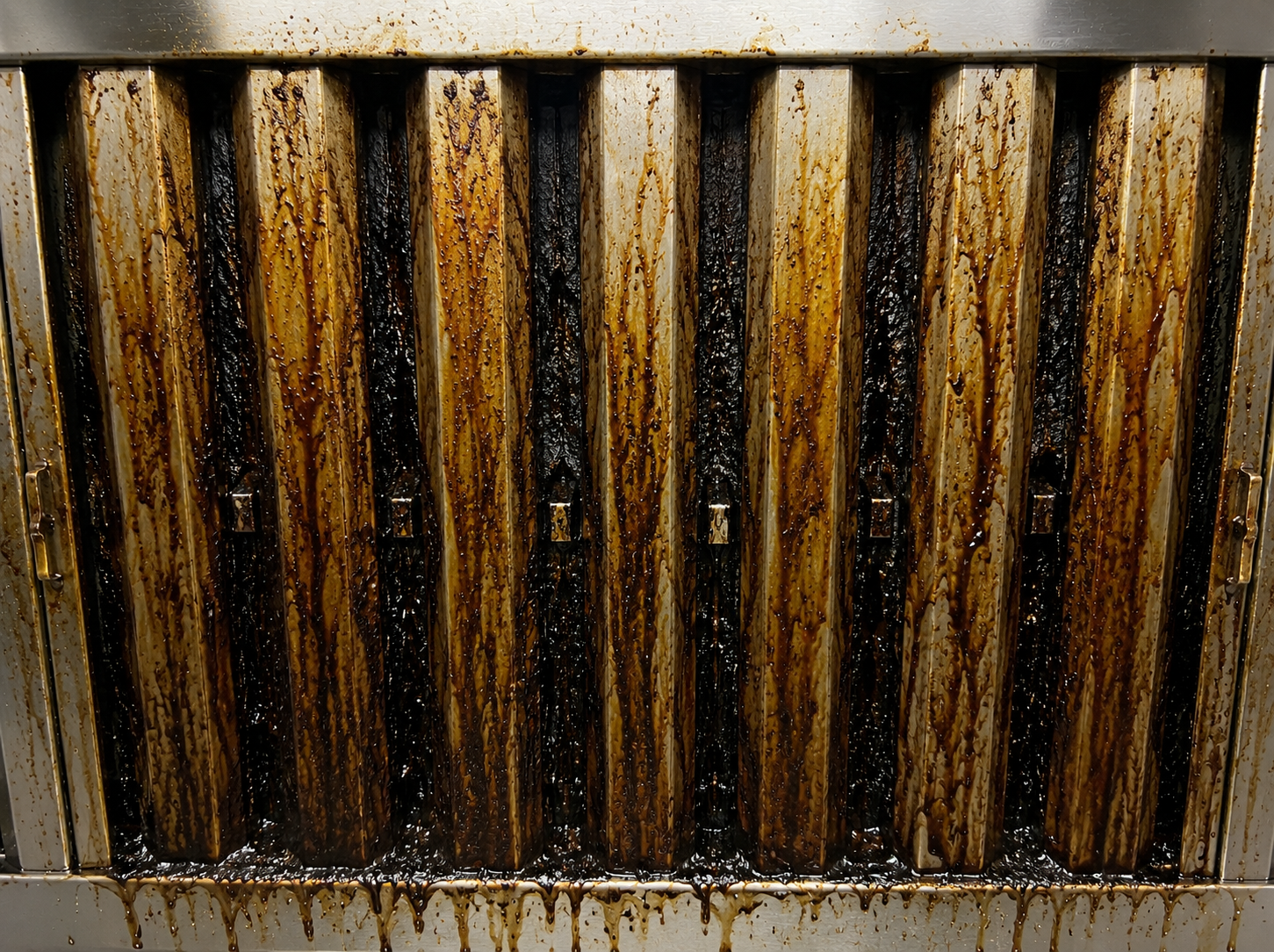
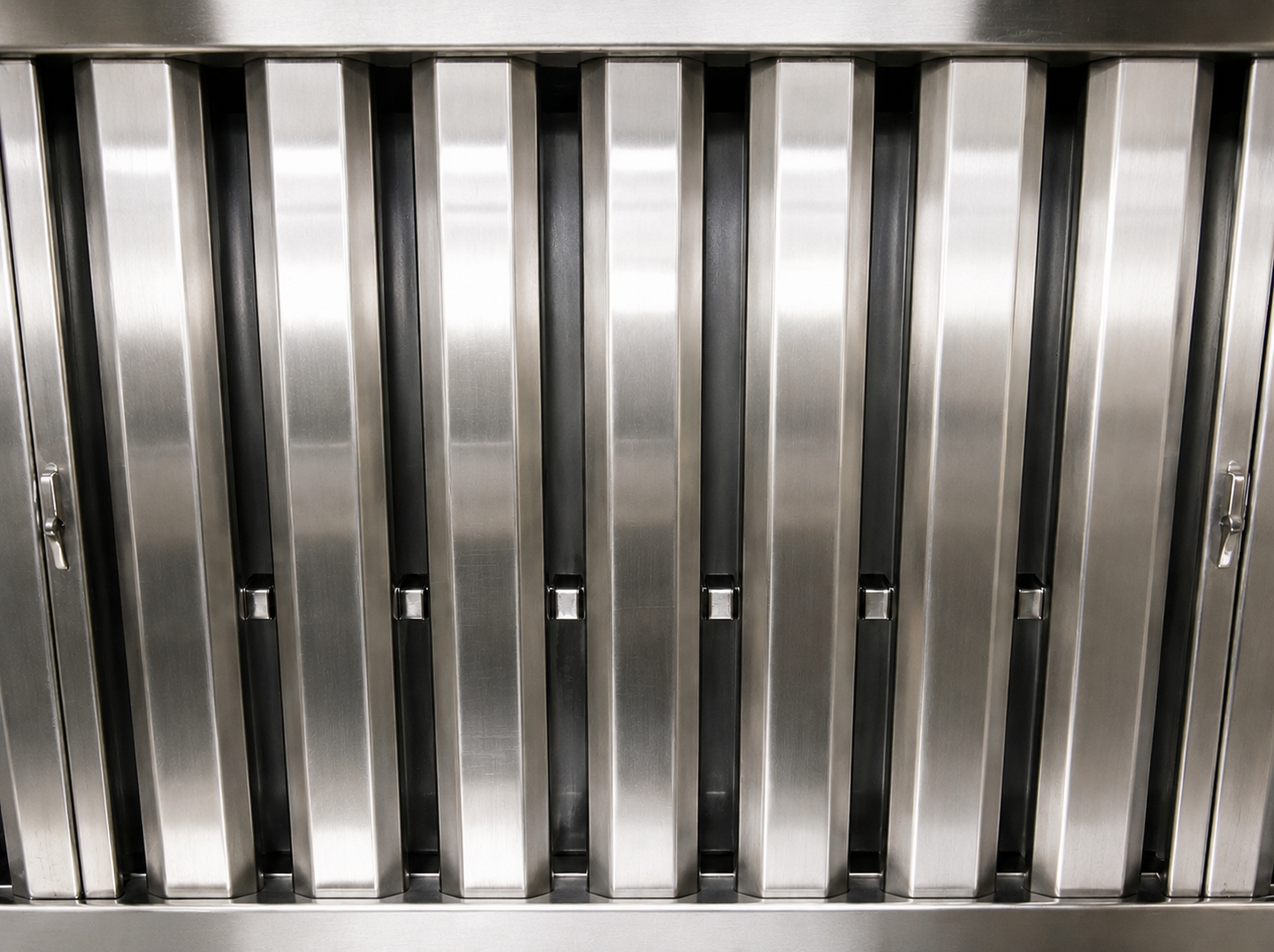
The Transformation Speaks for Itself
A professionally cleaned kitchen exhaust system removes 100% of the grease buildup that accumulates from daily cooking. The transformation is dramatic, visible, and immediately satisfying to clients who can see the difference with their own eyes.
This is why hood cleaning has virtually zero churn — once a restaurant owner sees what you do, they put you on a recurring schedule and keep you for years.
Why Every Commercial Kitchen Needs This Service
NFPA 96 — the National Fire Protection Association standard for commercial cooking operations — mandates regular inspection and cleaning of kitchen exhaust systems. The frequency depends on how heavily the kitchen is used.
96
NFPA 96 — The Standard That Creates Your Market
This federal fire safety standard requires every commercial food service operator to maintain a clean exhaust system at all times. Violation risks loss of insurance coverage, failed health inspections, and potential closure. Your clients literally cannot say no to this service.
| Kitchen Type | Required Frequency |
|---|---|
| High-volume (24hr diners, fast food) | Every month |
| Charbroiler / wood-burning operations | Every month |
| Moderate volume restaurants | Every 3 months |
| Low-volume (seasonal, churches) | Every 6–12 months |
What a Professional Hood Cleaning Job Looks Like
Inspect & Assess
Document the current condition and grease levels throughout the system.
Contain & Protect
Cover kitchen equipment and surfaces. Set up containment for water and grease runoff.
Clean the System
Degrease filters, plenum, ductwork, and rooftop fan using professional-grade equipment.
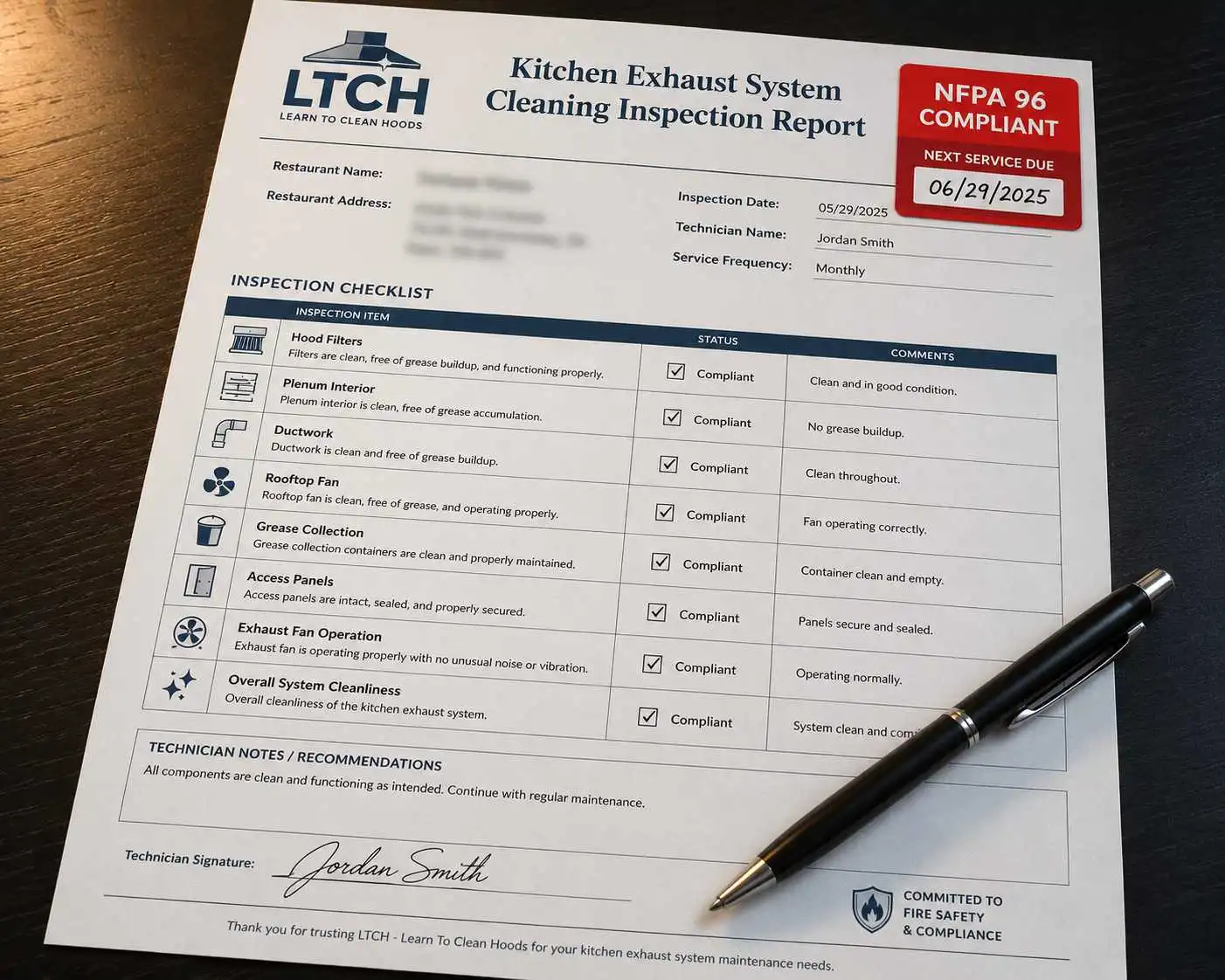
Certify & Report
Apply the NFPA 96 compliance sticker and provide the client with a written report.
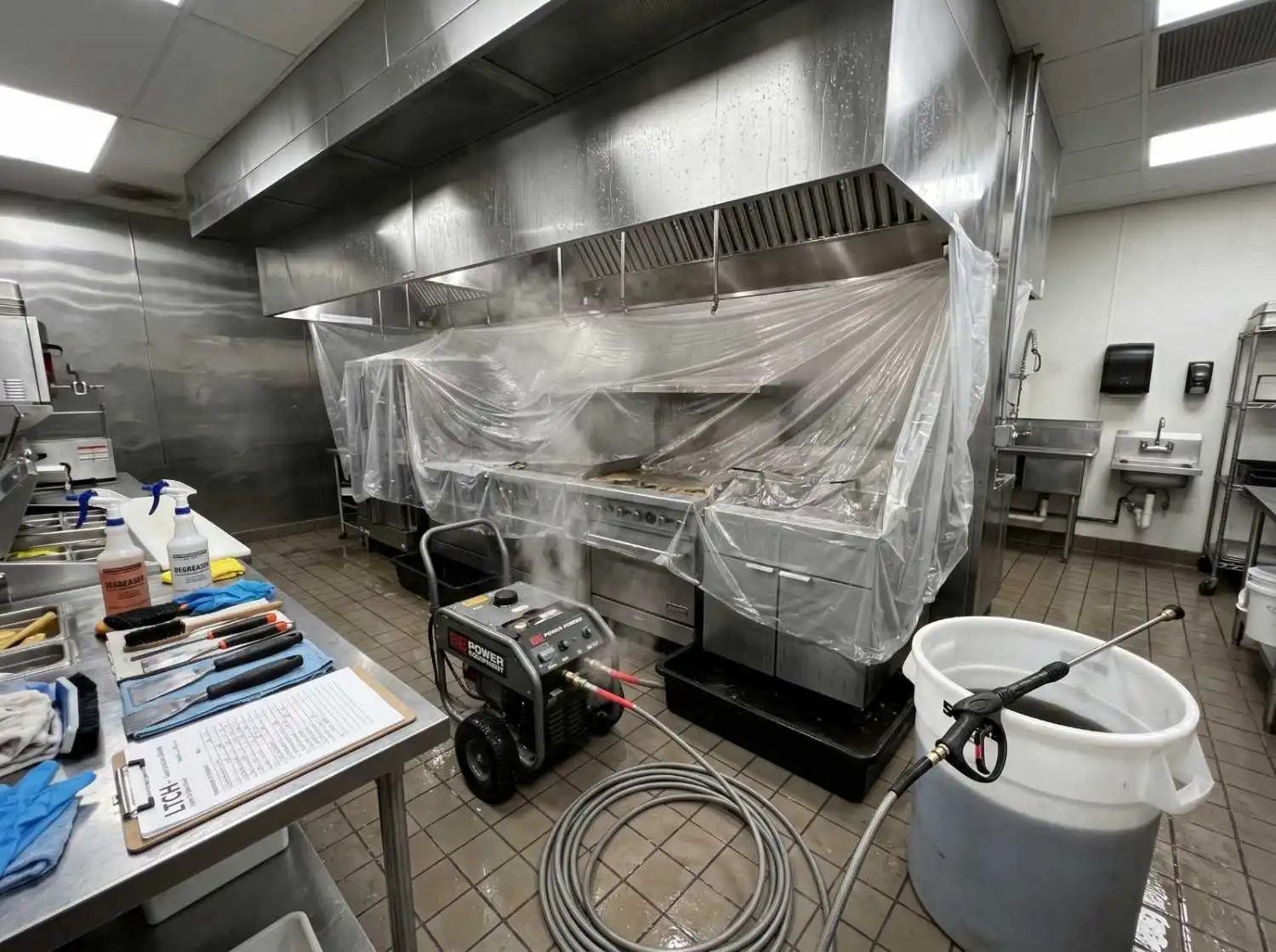
What You Actually Use on the Job
One of the most common questions we get is: "Do I need a truck full of equipment?" The answer is no. LTCH graduates run profitable operations with a focused set of tools — and our equipment guidance saves the average graduate $15,000 to $20,000 compared to what vendors would sell them.
Who Are Your Clients? Everyone Who Cooks Commercially.
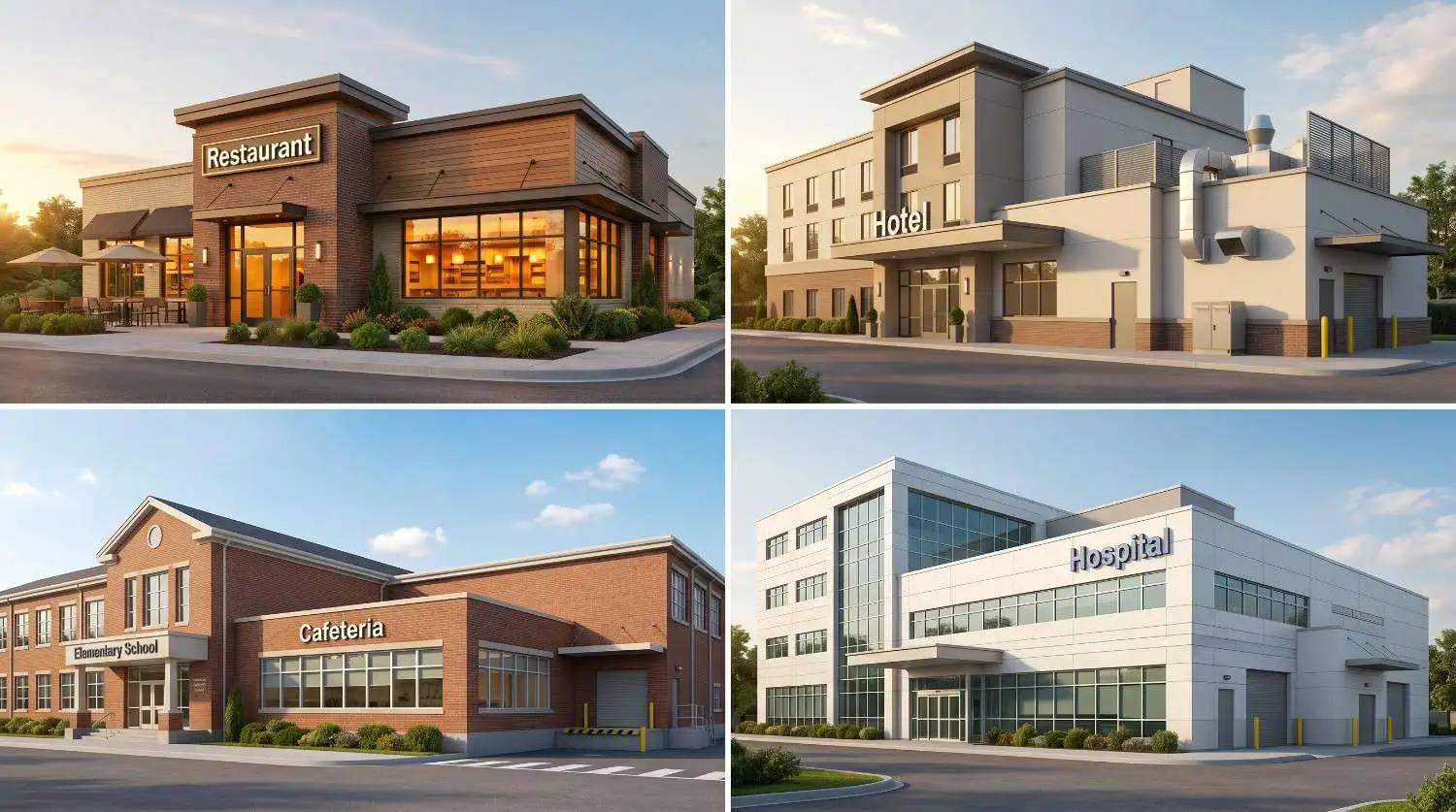
Restaurants
From fast food to fine dining — every food service location is a potential recurring client.
Hotels & Resorts
Large commercial kitchens with high cooking volume — often monthly cleaning contracts.
Hospitals
Strict compliance requirements mean reliable, recurring contracts that rarely cancel.
Schools & Universities
Cafeteria kitchens operating on set schedules — easy to route and plan around.
Churches & Event Venues
Lower frequency but high value — seasonal and event-based revenue filler.
Corporate Cafeterias
Consistent volume, professional management teams who prioritize compliance.
Learn All of This in One Week — Then Get Paid For It
LTCH covers every aspect of hood cleaning during your training week: technique, safety, equipment operation, NFPA 96 compliance, client communication, pricing, and how to document your work for the compliance record.
By Friday you have done this work for real. You are certified. You know what to charge. And you go home ready to land your first accounts.
Ready to Get Paid to Clean Hoods?
This industry legally requires every commercial kitchen in America to hire someone like you. Let's talk about what it looks like in your market.
Book Your Free Blueprint Call →